



Catalogue of equipment


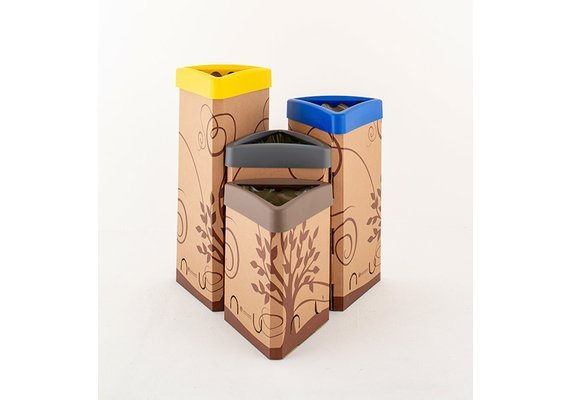
Delta is a stylish sorting box that can be used in workplaces, schools, hospitals, public places and more.
Features:
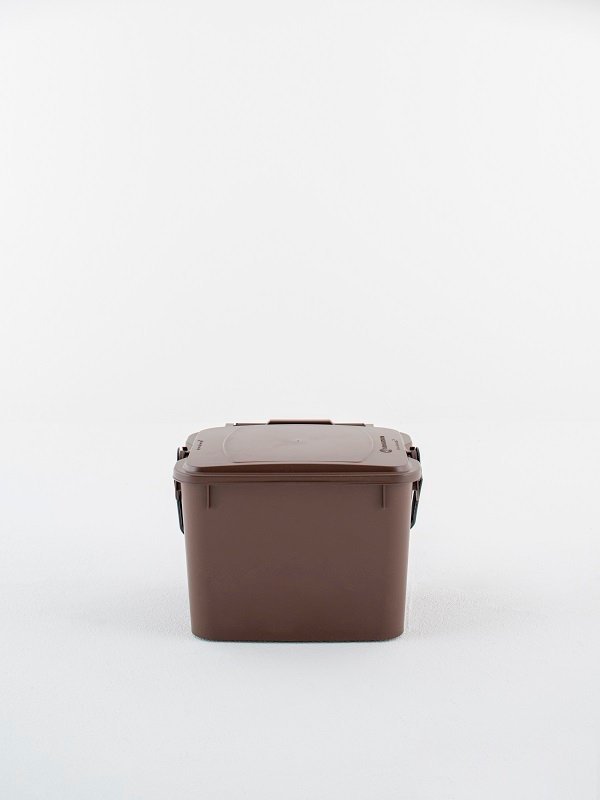
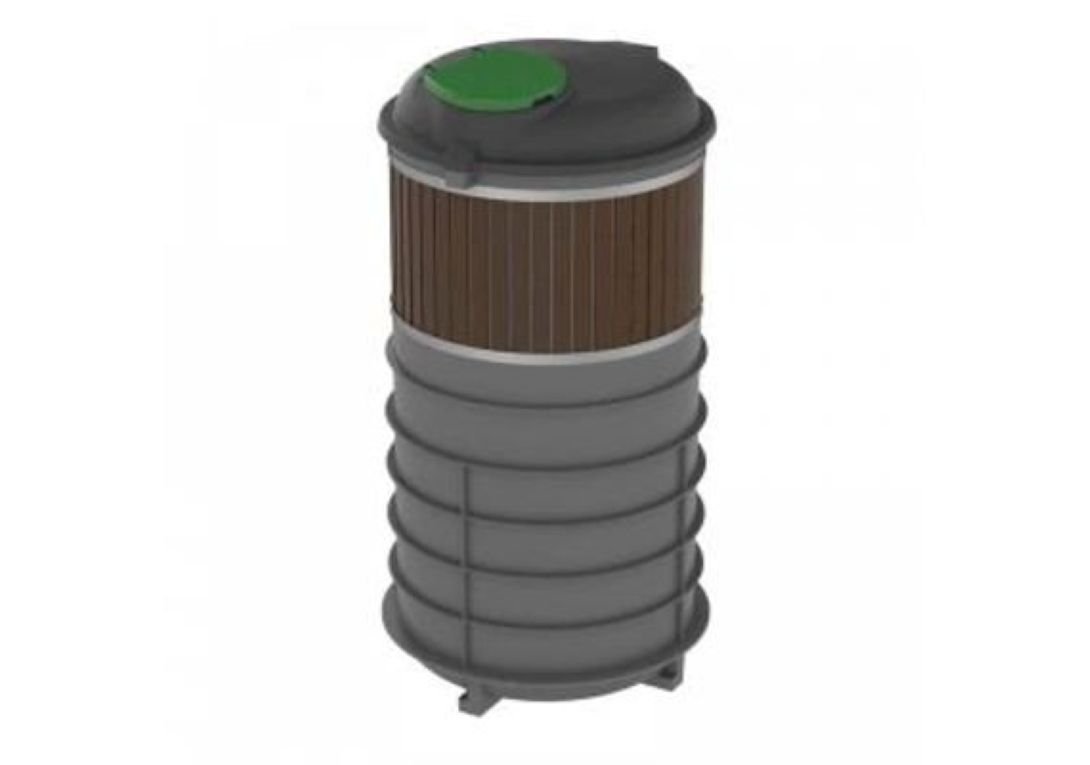
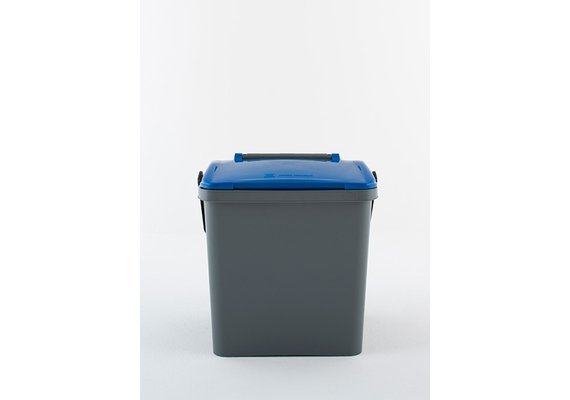
Urba 5 EVO Is the smallest enclosed container in the Urba series. It has been designed for the collection of organic household waste and is ideal for wet kitchen waste.
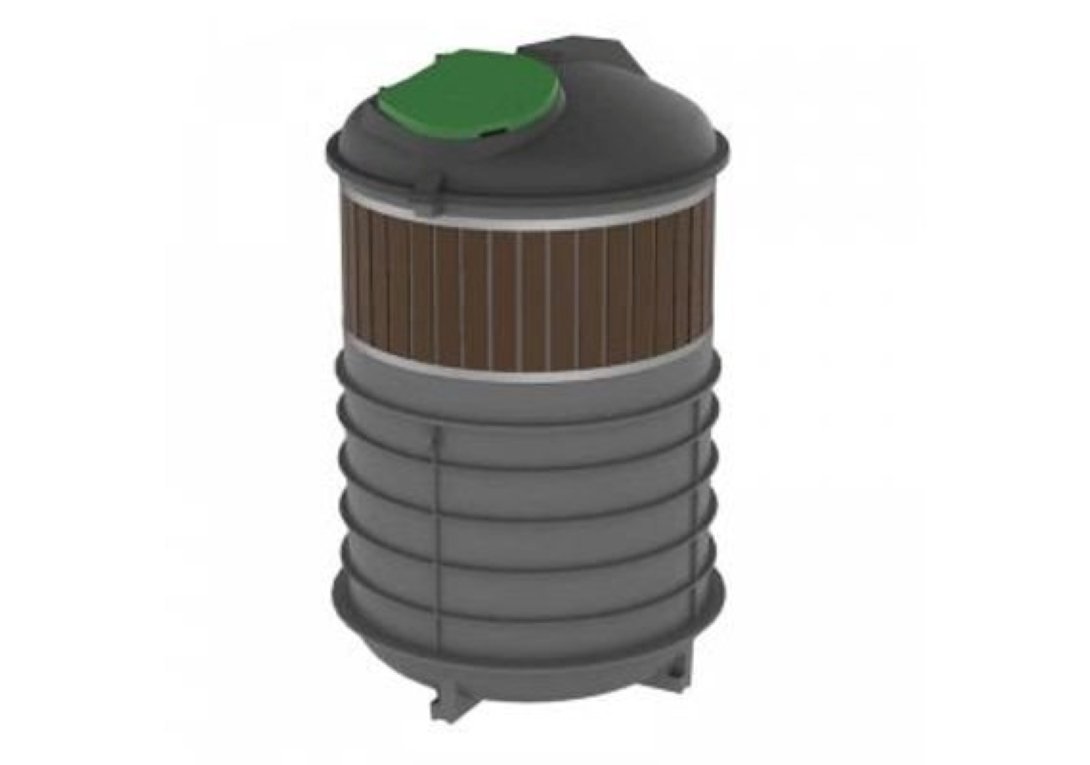
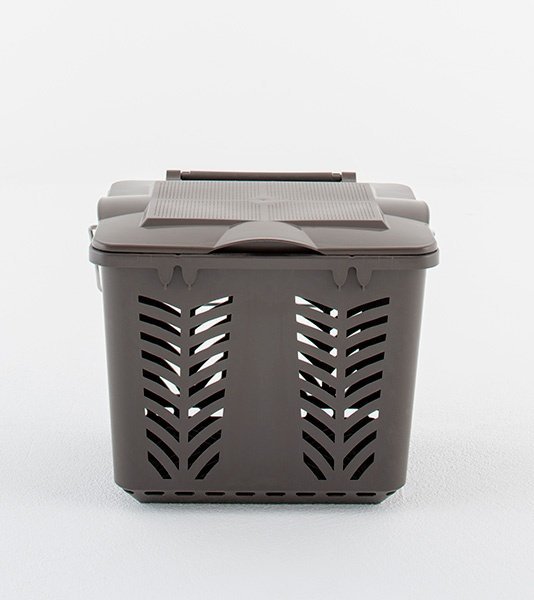
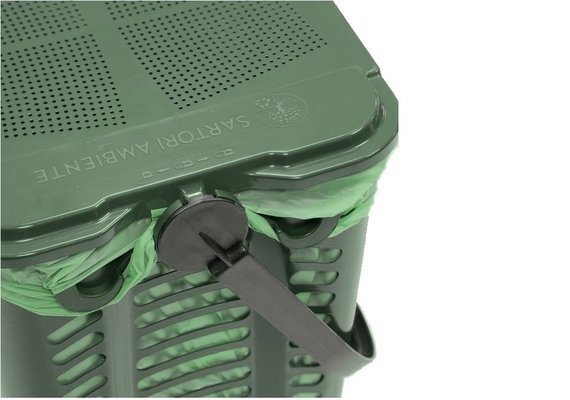
Stelo 7 is a kitchen waste container with natural ventilation holes. It is designed to facilitate the collection of food waste in the kitchen, avoiding the release of unpleasant odours.
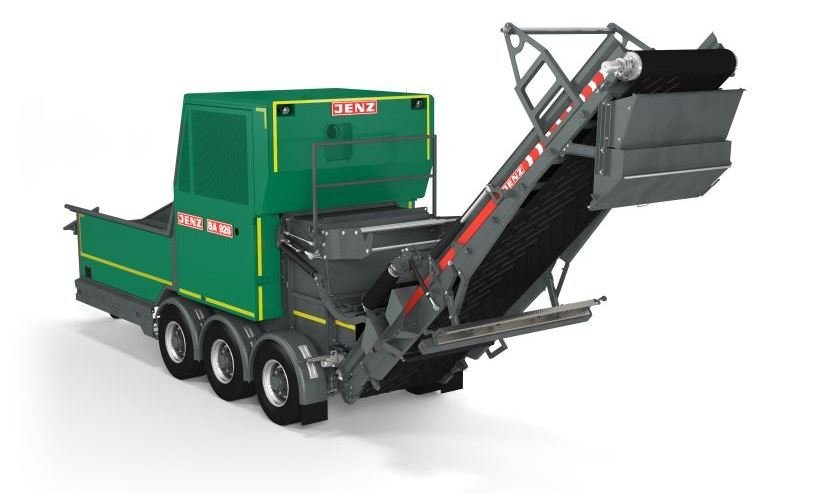
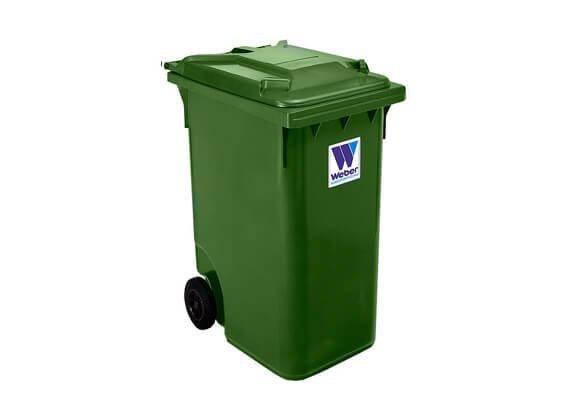
The highly durable household waste container is suitable for all waste collection vehicles.
- Nominal volume:240 l
- Nominal payload: 96 kg
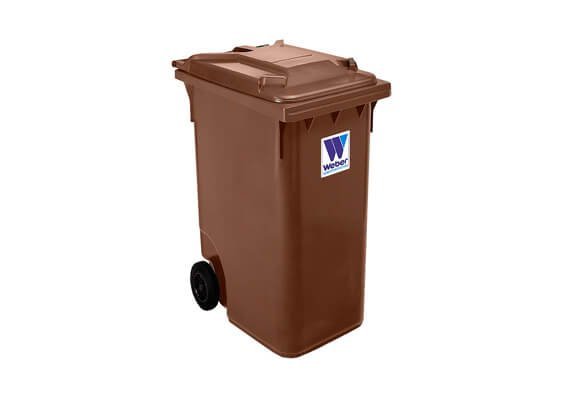
The MGB type of household waste container is suitable for all refuse machines. Manufactured in accordance with EN 840.
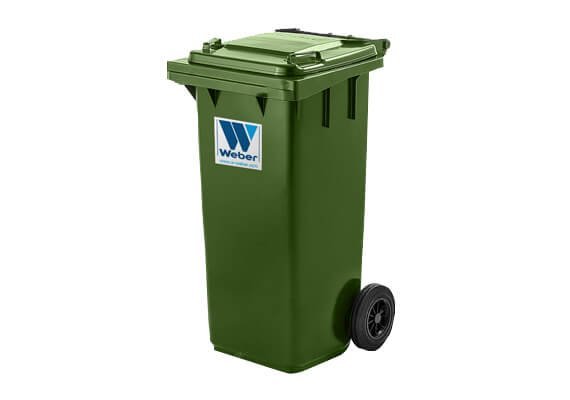
The MGB type of household waste container is manufactured in accordance with EN 840.
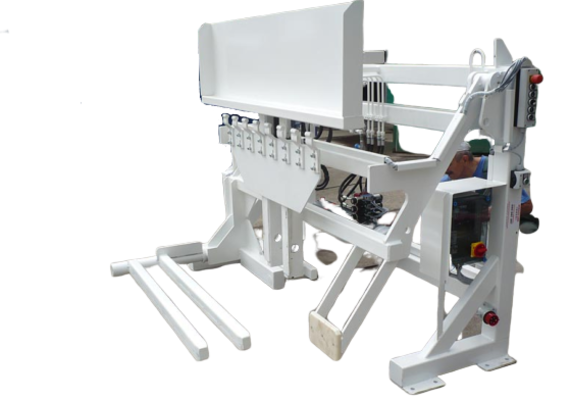
The mobile tipping mechanism HKV2500 is designed for standardised containers in accordance with PN EN 840, tipping edge height when lifted – 2500 mm. The advantage of mobile tipping mechanisms is that they can be repositioned and can be used with several different presses, depending on the need.
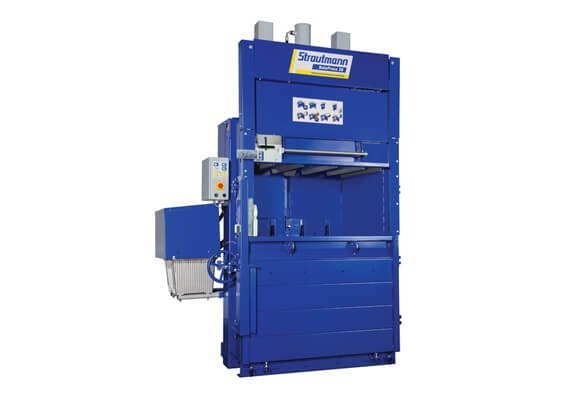
The BalePress 28 vertical balers compress packaging materials such as paper, cardboard and films into industrial-sized bales weighing around 320kg in a very short time. The bundles can be strapped with wire or tape.
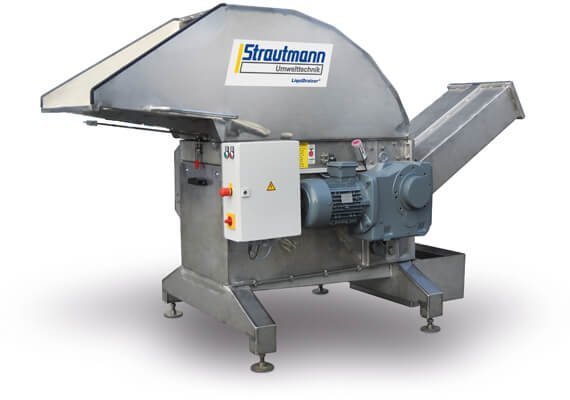
With the LiquiDrainer® drainer from Strautmann Umwelttechnik, you can empty PET bottles, TetraPak® and beverage cans safely, cleanly and efficiently.
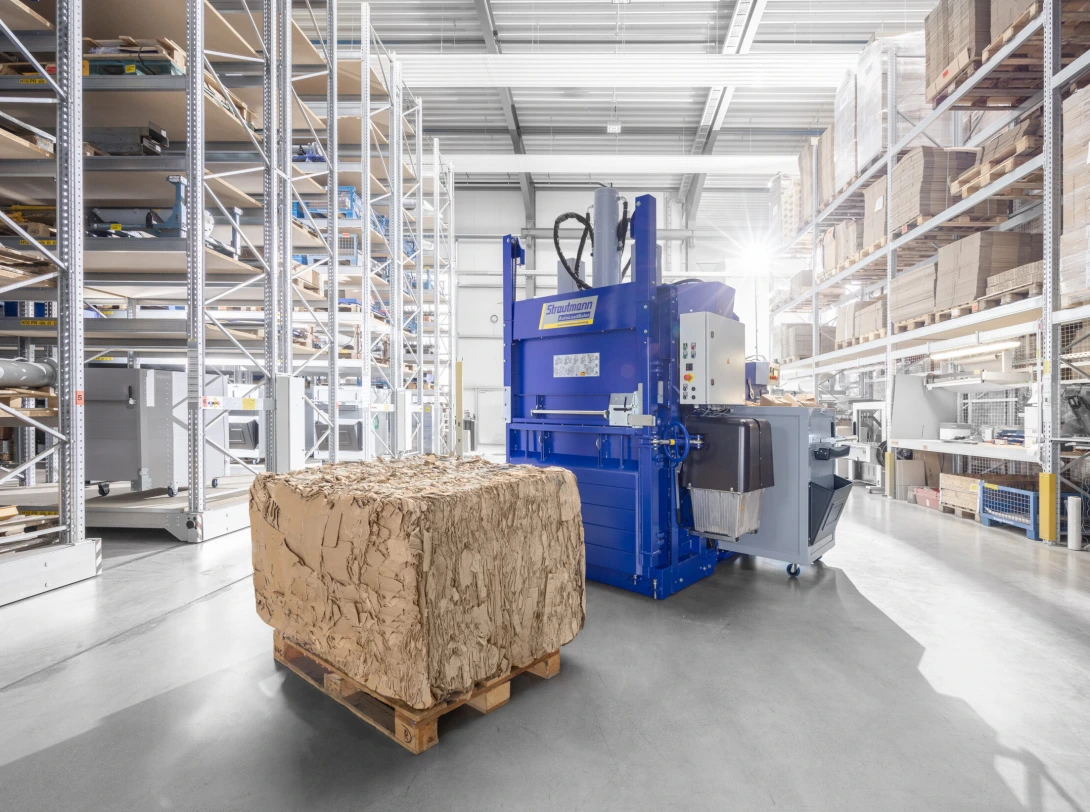
The semi-automatic AutoLoadBaler vertical baler presses the cartons automatically by picking them up from special collection trolleys. The AutoLoad Baler is designed for supermarkets, logistics warehouses and industrial companies. The AutoLoadBaler can be used to compress 30-300 t of cardboard into industrial size bales per year.
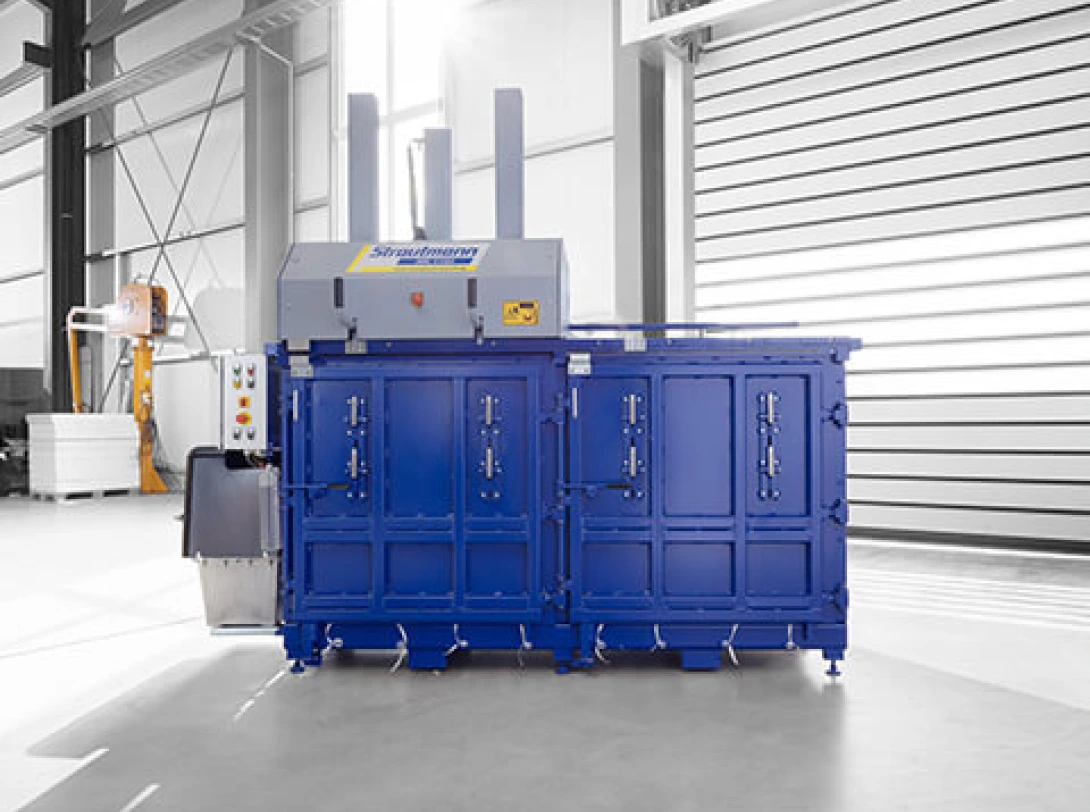
With the multi-chamber compactor, you can dispose of different recyclables cleanly and conveniently. Whether paper, film or PP and PE – the MK 1100 compacts different materials into bales according to type.
DUK
When choosing equipment, it is most important to assess:
- The type and amount of waste that will be handled daily or seasonally.
- Performance requirements – how many tons or cubic meters per hour the equipment must process.
- Available space and logistics conditions – whether the equipment will be stationary or mobile.
- The level of automation – from manual control to fully automated lines.
Our specialists perform a needs analysis, prepare a technical proposal, and help you avoid mistakes in selecting equipment that is too large or too small.
- Reliable European manufacturers – equipment from Germany, Austria, and Italy.
- The entire cycle from a single source – supply, installation, service, parts, and rental.
- A sustainable approach – energy-efficient, durable, and CE-certified equipment.
- Operations across the Baltic States – we work in Lithuania, Latvia, and Estonia.
- Warranty and post-warranty service – quick response and spare parts.
By choosing RB Baltic, customers get not only equipment, but also a partner who cares about the outcome throughout the entire project.
Yes. Our team can design the entire process – from waste reception, shredding, screening, and sorting to pressing or composting.
We can prepare:
- A technical layout according to local conditions.
- Performance and energy calculations.
- Equipment integration into existing systems.
- A service and maintenance plan.
In this way, we create an efficient, economical, and durable system that increases recycling efficiency and reduces costs.
CONTACTS
Need expert help choosing the right solution?
Contact us!


